Dysphagia Doesn’t Have to Steal the Joy: Holiday Tips from a Speech Therapist

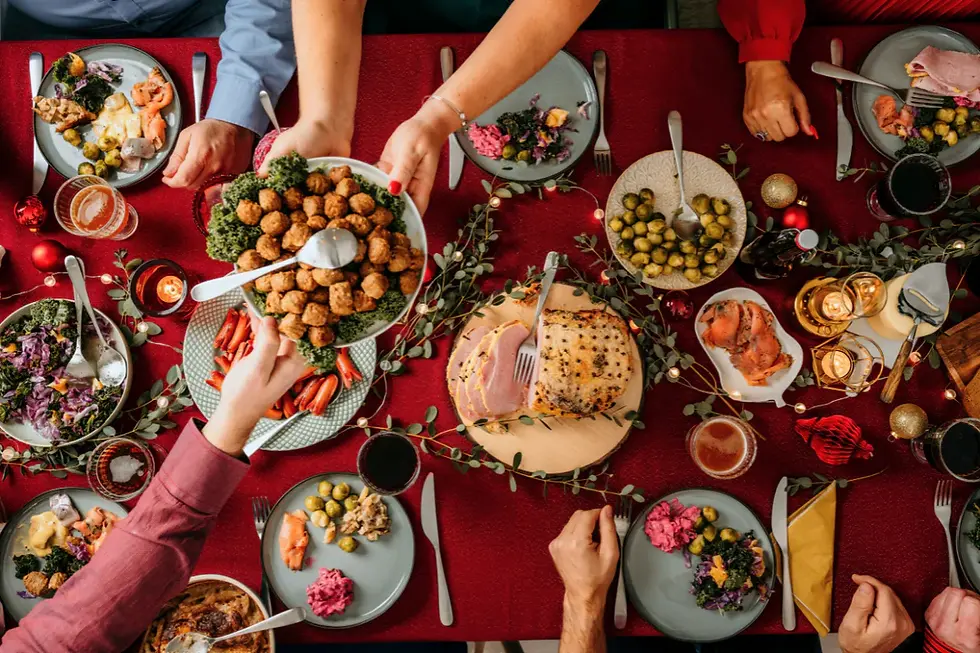
There’s something special about gathering around the table with family and friends during the holidays. Sharing a meal is often the heart of holiday traditions. It’s a time to connect, laugh, and enjoy favorite dishes passed down through generations.
But for someone living with dysphagia (difficulty swallowing), the holidays can bring stress, anxiety, and feelings of exclusion. Instead of looking forward to a festive meal, they may feel anxious about what they can safely eat, worried about coughing or choking, or discouraged that others might notice their challenges.
The good news is: with some thoughtful preparation, individuals with dysphagia can still feel included, supported, and part of the celebration.
How Dysphagia Affects Holiday Meals
Dysphagia can impact the ability to enjoy holiday meals in several ways:
Anxiety about eating in front of others
Fatigue from the physical effort of chewing and swallowing
Embarrassment about coughing, choking, or needing help during meals
Feeling left out when their diet is more limited than others at the table
Grief or frustration over missing out on favorite foods or traditions
These challenges can take a toll, not just physically, but emotionally and socially!
Strategies to Support and Include Loved Ones with Dysphagia
Whether you’re hosting a gathering or visiting a loved one with dysphagia, here are some tips to make sure they feel safe and supported:
Make Meals Feel “Normal,” but Safe
Offer foods that match the person’s prescribed texture or consistency, while still maintaining a festive atmosphere. For example:
Mashed potatoes and gravy
Applesauce with cinnamon
Turkey cut into small, moist pieces with gravy
Pureed butternut squash or sweet potatoes
Pumpkin pudding instead of pie
With creativity and care, holiday dishes can still be both safe and delicious.

Focus on Inclusion, Not Just the Food
Sometimes, the act of being together matters more than what’s on the plate. You can:
Serve meals buffet-style so everyone eats at their own pace
Make space at the main table, or provide a quieter spot nearby if that’s more comfortable
Emphasize traditions beyond food, such as music, games, decorating, or sharing memories
Spread Out the Food Throughout the Day
Large meals can be overwhelming. Instead, try:
Offer smaller portions more often
Allow rest between courses or snacks
Avoid pressuring your loved one to “eat it all” at once
Prepare Ahead
A little planning goes a long way:
Bring or prepare safe food options for your loved one
Keep thickener on hand for beverages like cider, hot chocolate, or eggnog
Coordinate with caregivers or a speech-language pathologist if you’re unsure about safe textures or consistency
Dysphagia doesn’t have to take away the joy of the holidays. With small adjustments—whether modifying a recipe, offering emotional support, or simply making room at the table—families can create inclusive traditions where everyone feels a sense of connection.
If you or a loved one is struggling with swallowing, a speech-language pathologist can assess needs and provide personalized strategies. This season, let’s keep the focus on connection, comfort, and community at every level.