Hearing and Communication Go Hand-in-Hand: Why Speech Therapists Care About Hearing Loss Too

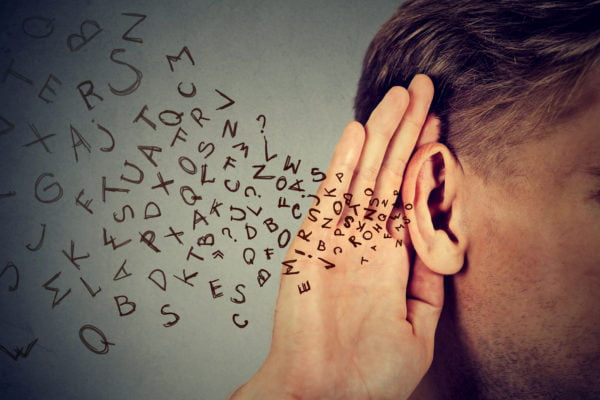
Have you ever been in a noisy room and misunderstood what someone said to you? Do you remember how frustrating and difficult it was to concentrate on the conversation?
For many people with hearing loss, this is a daily experience. Hearing loss doesn’t just affect the ears. It impacts communication, memory, attention, and, ultimately, our relationships.
When we don’t hear well, we miss important details that help us stay connected to the world. Adults can develop hearing loss for many reasons, including aging, long-term noise exposure, or medical conditions affecting the ears.
Often, the signs of hearing loss are brushed aside or dismissed as “not a big deal.” But over time, the gaps grow larger. In fact, it’s usually friends and family who notice the changes first: asking for repetition, turning up the TV, withdrawing from conversations, or giving responses that don’t quite fit because of missed information.
How Hearing Loss Impacts Communication
Hearing is one of the building blocks of connection. When it’s impaired, the entire communication process becomes harder for both the speaker and the listener.
Misunderstanding words or sounds
With hearing loss, speech may sound muffled or distorted, especially in noisy settings. High-frequency sounds, such as s, f, th, and sh, are often the first to fade with age-related hearing loss, making it difficult to distinguish between similar words.
Increased listening effort leads to fatigue
When hearing is unclear, the brain works harder to piece together what’s being said. People may rely on lip reading, facial expressions, or context clues to fill in the blanks. This extra effort uses up cognitive energy, leaving less brainpower for remembering, processing, or responding.
Reduced engagement and social withdrawal
Over time, many people begin to avoid conversations—especially in groups or noisy places—because it feels too frustrating or exhausting to keep up. Even mild hearing loss can cause people to pull back from social activities, which may lead to isolation, depression, and a loss of confidence.
Breakdowns in conversation flow
Good conversations depend on timing and shared understanding. When a person misses part of a sentence or responds off cue, it can create confusion. Others may assume the individual isn’t listening or doesn’t care, when in reality, they simply didn’t hear what was said. Over time, these breakdowns can strain relationships with family, friends, and even healthcare providers.

Why Speech Therapists Care About Hearing
As speech-language pathologists (SLPs), we don’t just support talking—we support understanding, thinking, and connecting. Hearing plays a vital role in all of those areas.
When hearing loss is untreated, it can:
Make it harder to follow directions and conversations
Limit the ability to learn new information
Affect confidence in expressing ideas
Mimic or worsen other communication challenges like memory loss or word-finding difficulties
That’s why part of our job is to recognize when hearing may be impacting communication, and to help individuals and families find tools, strategies, or referrals that support both hearing and understanding.
What to Do If You’re Experiencing Hearing Loss
If you or a loved one notices signs such as:
Frequently asking people to repeat themselves
Turning up the TV louder than usual
Feeling overwhelmed in group conversations
…the first step is to schedule a hearing evaluation with an audiologist. A comprehensive test can confirm whether hearing loss is present, how severe it is, and whether hearing aids or other solutions may help.
From there, an SLP can support clearer communication by:
Teaching strategies to fill in gaps
Supporting memory and comprehension
Helping family members use communication techniques that reduce frustration
Hearing loss is common—but it doesn’t have to mean losing connection. With the right support, individuals can reduce frustration, improve communication, and strengthen relationships.
You don’t have to face hearing loss alone. Help is available, and it can make all the difference.