Marching Forward: Understanding the Realities of Brain Injuries and Supporting Recovery
- Rebecca Kruise
- Mar 1, 2024
- 3 min read

Updated: Mar 12, 2024

The goal of Brain Injury Awareness Month is to shed light on the many challenges faced by millions of individuals who are living with the complications resulting from traumatic brain injuries (TBIs) or acquired brain injuries (ABIs).
TBI: A traumatic brain injury that is the result of an external force that causes damage to the brain, such as a sudden jolt, blow to the head, or penetration to the head. For example, they can be the result of motor vehicle accidents, sports injuries, assaults, and/or workplace accidents.
ABI: An acquired brain injury is damage that is caused by the brain after birth that is caused by non-traumatic factors such as strokes, tumors, infections, or hypoxia (lack of oxygen to the brain).
TBI’s and ABI’s can range from mild impairments to severe impairments.
Symptoms include:
Cognitive Symptoms:
Memory difficulties
Concentration difficulties
Executive functioning deficits like challenges in planning, organizing, and problem-solving
Physical Symptoms:
Headaches
Blurry vision
Ringing in the ears
Altered taste or smell
Dizziness
Motor changes (difficulty walking or fine hand skills)
Slurred speech
Seizures
Emotional/Behavioral Symptoms
Mood Changes
Depression/Anxiety
Impulsivity
Sleep Changes

Brain injuries are often called the “invisible epidemic” because their symptoms are not always apparent or visible to the naked eye. This makes it challenging for others to understand the struggles that individuals with brain injuries face on a day-to-day basis.
Recovery of a TBI is often a team effort. This team includes the individual, doctors, physical therapists, occupational therapists, speech therapists, social workers, job coaches, eye doctors, dieticians, respiratory therapists, and many other medical professionals. But another essential part of the team is the loved ones who can offer ongoing support to the individual in their daily lives.
Here are some ways you can support brain injury survivors:
Educate yourself about brain injuries and ask the survivor about their injuries and deficits. Listen genuinely to their responses so you can have empathy towards them.
Be patient and understanding. No two brain injuries look the same, and an individual with a brain injury may look ‘normal’ on the outside but be struggling mentally to manage.
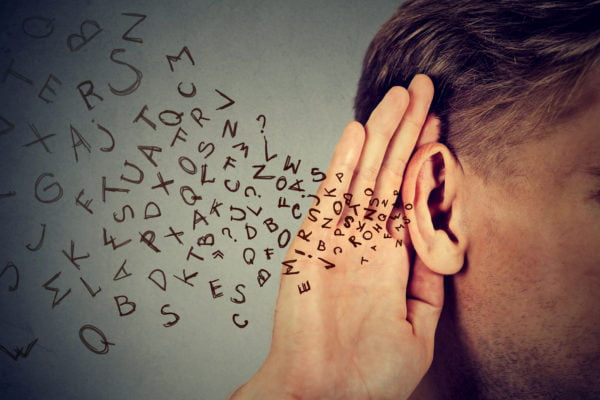
Provide emotional support– be a listening ear.
Stay connected to them, continue to engage them in activities, and provide the support needed to help them participate.
What can a speech therapist do?
Communication assessment: Assess an individual's ability to communicate effectively following a brain injury
Cognitive assessment: Assess an individual's recall, problem-solving, executive functioning, and attention deficits
Swallowing assessment: Sometimes, after a TBI, an individual's swallowing ability is affected. An SLP can assess and recommend specific diets and strategies to maximize the function and safety of the swallow.
There are many resources available to help you or a loved one walk through a brain injury and the recovery process. You can check them out here:

Traumatic brain injuries and acquired brain injuries pose unique challenges that may not always be apparent. Yet, these challenges are very real for the individuals living with them. Your role, whether as a caregiver, friend, or healthcare professional, is instrumental in creating a supportive environment for survivors. By educating yourself, offering patience, and providing genuine emotional support, you contribute significantly to the recovery journey.
Remember, you don't have to face this journey alone. If you have questions or need guidance, contact us at Life Speech Services. Together, let's continue raising awareness, fostering understanding, and actively participating in the journey towards healing for those affected by brain injuries.