Understanding Diet Modifications for Swallowing Difficulties: A Guide for Patients and Caregivers


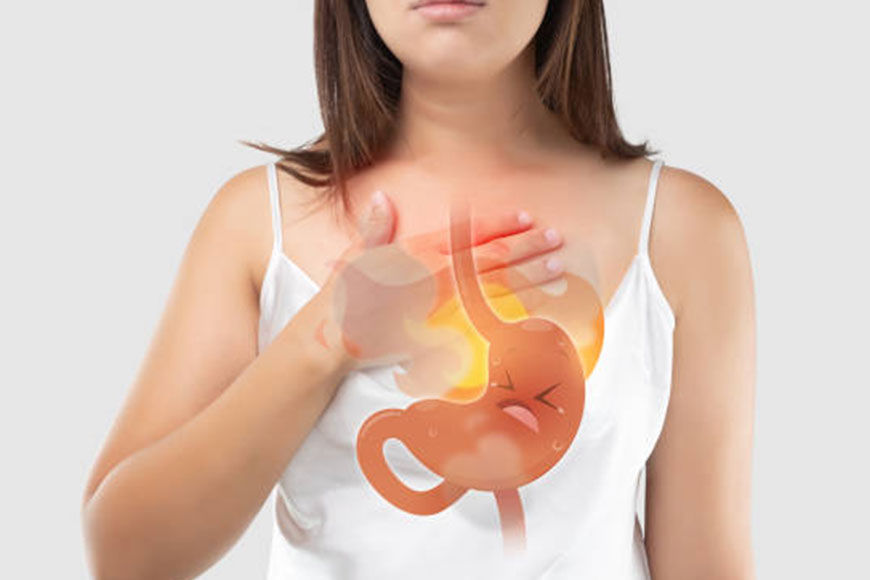
Swallowing difficulties, also known as dysphagia, can affect anyone, but particularly those with neurological conditions such as stroke, Parkinson's, or dementia. Recognizing the signs of dysphagia—coughing, choking, feeling like food is stuck in the throat, or frequent weight loss—can prompt early intervention and help prevent more serious complications like aspiration pneumonia. When these difficulties arise, modifying food and drink textures can significantly affect safety and quality of life.
What Are Diet Modifications?
Diet modifications are specialized changes to food and drink textures that make swallowing safer and easier for individuals with dysphagia. These modifications help ensure proper nutrition while reducing the risk of food or liquid entering the lungs (aspiration). From thickened liquids to pureed foods, these adjustments can help people continue to enjoy meals while maintaining their health and safety.
When Are Diet Modifications Needed?
The need for diet modifications often becomes apparent when someone experiences frequent coughing or choking while eating, has difficulty managing certain textures, or shows signs of weight loss. A speech-language pathologist (SLP) will conduct a comprehensive swallowing assessment when these symptoms appear. This typically begins with a bedside evaluation to check oral health, cranial nerve function, and overall swallowing ability. The SLP might recommend specialized tests like a Modified Barium Swallow Study (MBSS) or a Fiberoptic Endoscopic Evaluation of Swallowing (FEES) for a more detailed view. These assessments help determine each individual's safest and most appropriate food and liquid textures.

Types of Diet Modifications:
Thickened Liquids: Thin liquids can be particularly challenging for people with dysphagia because they move quickly and can easily enter the airway. Thickened liquids move more slowly, giving the body more time to protect the airway during swallowing. Different thickness levels may be recommended based on individual needs:
Slightly thick (nectar-thick): Similar to nectar or cream soup
Mildly thick (honey-thick): Similar to honey consistency
Moderately thick (pudding-thick): Similar to pudding Common beverages like water, coffee, tea, and juice can be thickened using commercial thickening products available at pharmacies.
Food Texture Modifications The International Dysphagia Diet Standardisation Initiative (IDDSI) provides standardized levels for food textures:
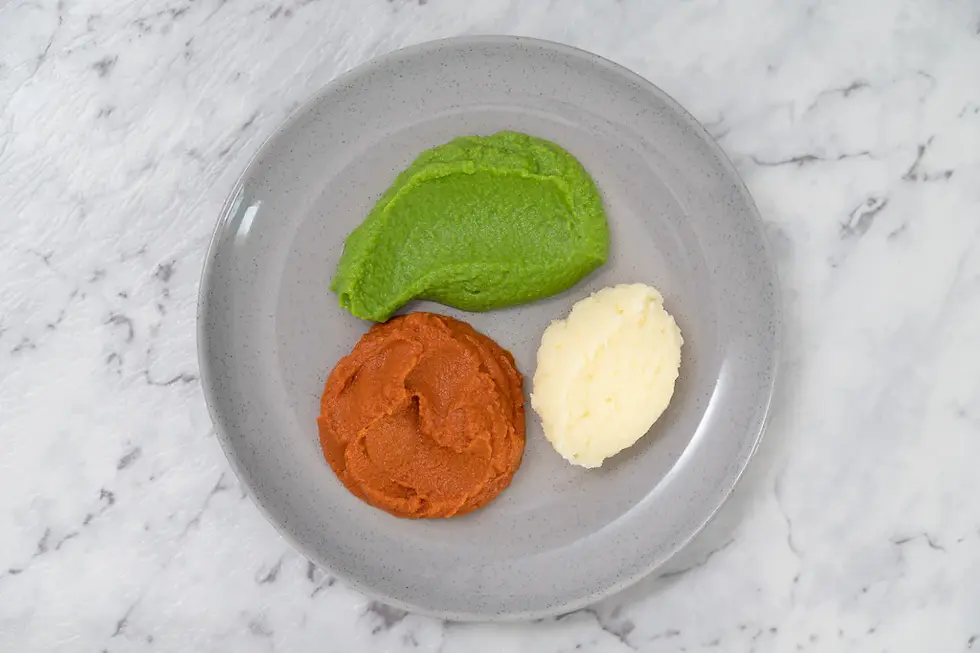
Pureed Foods:
Smooth, lump-free consistency like pudding or baby food
Examples: well-blended soups, mashed potatoes, pureed fruits
No chewing required
Mechanical Soft / Soft & Bite-Sized:
Tender, easy-to-chew foods cut into small pieces
Examples: well-cooked pasta, tender meats, soft fruits
Minimal chewing required
Minced and Moist:
Finely chopped foods with added moisture
Examples: ground meat with gravy, moistened cereals
Very light chewing required
Practical Implementation Successfully: Implementing diet modifications requires planning and preparation. Some practical tips include:
Using a food processor or blender for pureeing
Adding appropriate liquids (broths, sauces) to achieve desired consistency
Testing textures with a fork or spoon before serving
Maintaining proper temperature of modified foods
Ensuring modified foods look appetizing and maintain flavor
Working with Your Healthcare Team
Managing diet modifications is truly a team effort. Your SLP will work closely with other healthcare professionals to ensure your modified diet meets both your swallowing needs and nutritional requirements. A registered dietitian can help plan varied, nutritious meals within your recommended texture guidelines while your doctor monitors your overall health and nutrition status. Together, they can adjust recommendations as your swallowing abilities change.
Diet modifications are crucial for managing dysphagia safely and effectively. While adjusting to modified textures may take time, these changes can significantly improve the safety and enjoyment of meals.
If you or a loved one is experiencing swallowing difficulties, don't hesitate to reach out to a speech-language pathologist for an evaluation. With proper assessment and guidance, we can work together to find the right modifications that help you eat and drink safely while maintaining good nutrition. Contact me to learn how diet modifications might help your situation.